
-
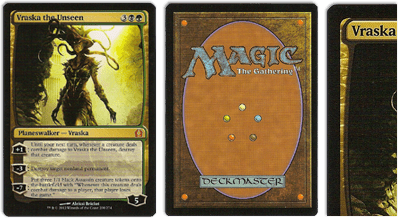
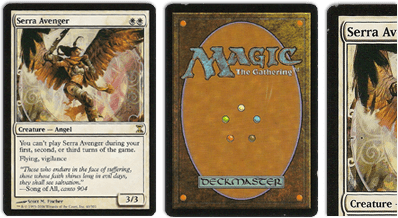
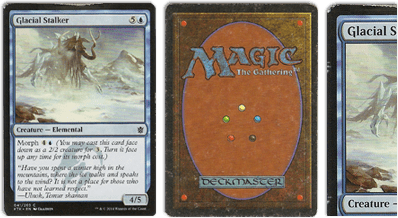
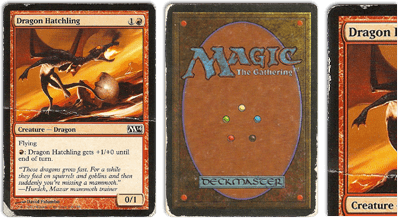
Magic: The Gathering
Don Quixote (Complete Ballet) Suite From [CD]
![Don Quixote (Complete Ballet) Suite From [CD]](//animeimports.net/cdn/shop/files/4353027-3201824_1000x1000.jpg?v=1787265628)
![Don Quixote (Complete Ballet) Suite From [CD]](files/4353027-3201824.jpg)
Don Quixote (Complete Ballet) Suite From [CD]
Regular Price $30.45Product Type : CD
 This Item is Availible Online OnlyPrice & Availability will vary by locationItem LocationWarehouseAverage Processing Time24-72 HoursNo In store pickupOnline Order only
The Catalan Roberto Gerhard studied piano with Granados, and was the only Spanish composer to study with Arnold Schoenberg. It was, however, over twenty years before he committed himself to writing twelve-tone music. In the interim, his output brought a new focus and precision (owing more to Stravinsky and Bartok) to the Spanish style. All the works on this album were composed in that period. Dating from the early 1940s, his ballet Alegrias was originally conceived for two pianos, but soon evolved into the four-movement suite heard here. The flamenco-inspired movements are linked in pairs, and show Gerhard's brilliance and humour in equal measure. During this same period Gerhard decided to mark the centenary of his first teacher, Felipe Pedrell (who had also taught Albeniz, Granados, and de Falla), with a three-movement symphony, Homenaje a Pedrell (CHAN 9693). Gerhard failed to secure a performance of the work, but in 1954 was invited to re-work the final movement for a BBC Symphony Orchestra concert, which became Pedrelliana. Gerhard's ballet on episodes from Cervantes's Don Quixote evolved for almost a decade, from a work for chamber orchestra, for a touring company (abandoned because of the war), via a version for radio and an expanded orchestral suite, to the work recorded here, in it's full and final orchestration for performances at the Royal Opera House in 1950, choreographed by Ninette de Valois. Robert Helpmann danced the title role and Margot Fonteyn Dulcinea.
Tracklist:
- AlegrÃas, Suite from the Ballet for Orchestra~I. Preámbulo. Allegro - L'istesso tempo -
- AlegrÃas, Suite from the Ballet for Orchestra~Jácara. Allegretto
- AlegrÃas, Suite from the Ballet for Orchestra~II. Farruca. Andante (tempo di farruca) - Pochissimo più animato - Poco a poco a
- AlegrÃas, Suite from the Ballet for Orchestra~Jaleo. (Quarter Note = c. 160) - Allegrissimo - Poco accelerando - Con brio
- Pedrelliana for Orchestra
- Don Quixote~[Introduction.] Andante maestoso -
- Don Quixote~Scene
- Don Quixote's Room: [Andante maestoso] - Poco più largamente - Incalzando -
- Don Quixote~Scene
- Don Quixote's Room: Don Quixote's vision of Dulcinea. Calmo -
- Don Quixote~Scene
- Don Quixote's Room: Sancho Panza. Allegretto -
- Don Quixote~Interlude I (The Plain of La Mancha) -
- Don Quixote~Scene
- A Wayside Inn (Chacona de la Venta): Allegretto giocoso - Poco più mosso - Brisk - Tempo I, poco pesante - Andante -
- Don Quixote~Scene
- A Wayside Inn (Chacona de la Venta): The Vigil at Arms (Vigilia de las armas). L'istesso tempo - Con un poco di moto -
- Don Quixote~Scene
- A Wayside Inn (Chacona de la Venta): The duel with the muleteer. Alquanto animato - Tempo giusto - Andante -
- Don Quixote~Scene
- A Wayside Inn (Chacona de la Venta): The 'knighting' of Don Quixote. [Andante] -
- Don Quixote~Interlude II. Poco più lento - Poco pesante - Incalzando -
- Don Quixote~Scene
- The Plain of La Mancha: The Windmills (Molinos de viento). Andante - Poco agitato -
- Don Quixote~Scene
- The Plain of La Mancha: The village barber and his basin. Allegretto triviale - Tempo da prima (Andante) - Andante affettuoso -
- Don Quixote~Scene
- The Plain of La Mancha: The Golden Age (La Edad de Oro). Adagietto - Poco più mosso - Tempo da prima [Adagietto] - Allegretto c
- Don Quixote~Scene
- The Plain of La Mancha: The galley-slaves (Paso doble de los galeotes). [Allegro] - Animando - Tempo I - Animando - Vivace - All
- Don Quixote~Interlude III. L'istesso tempo - Andante -
- Don Quixote~Scene
- The Cave of Motesinos (Chacona de palacio): Allegro moderato -
- Don Quixote~Interlude IV. Maestoso (Tempo I) -
- Don Quixote~Scene
- The Prison (Variaciones): Con moto - Poco più mosso, quasi vivace - Agitato, poco stretto - Meno mosso - Animando - Agitato - A
- Don Quixote~Scene
- The Prison (Variaciones): Dulcinea revealed as Aldonza. Larghetto -
- Don Quixote~Epilogue. Adagietto - Tempo I
UPC: 095115226827
Label: Chandos
Release Date: 8.2.24
Format: CDAll Sales are Final.
No Refunds or Exchanges.
- Tumblr
- YouTube
- Discord
-



![Don Quixote (Complete Ballet) Suite From [CD]](http://animeimports.net/cdn/shop/files/4353027-3201824_1000x1000.jpg?v=1787265628)

 '
' '
' '
' '
' '
'