
-
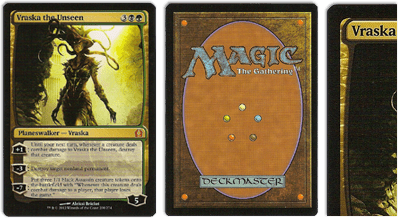
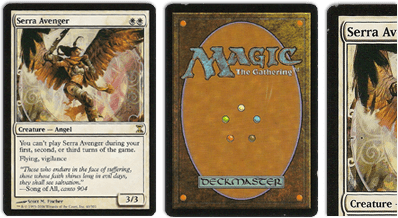
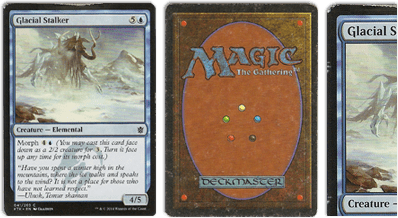
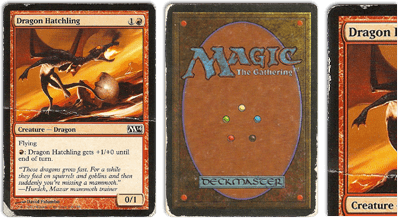
Magic: The Gathering
Stone Age Beads from the Sahara Desert


Stone Age Beads from the Sahara Desert
Regular Price $29.95Product Type : Historic Artifacts
 This Item is Availible Online OnlyPrice & Availability will vary by locationItem LocationWarehouseAverage Processing Time24-72 HoursNo In store pickupOnline Order only
FORBIDDEN CHEERIOS
These pieces of quartz formed millions to billions of years ago, crystallizing deep within the Earth under intense heat and pressure before being uplifted and weathered at the surface. Long before they became beads, this material had already undergone an immense geological journey. Around 3,500 to 6,000 years ago, prehistoric humans selected and shaped this ancient crystal into small, flat disks—transforming deep-time mineral into something portable and personal.
When these beads were made, the Sahara was a green landscape of lakes and grasslands. Early pastoral groups worked each piece of quartz (SiO2), a mineral hard enough to scratch steel—using only stone tools, sand, and persistence. Grinding the disk shape and drilling the central hole through brittle crystal required controlled abrasion and steady rotational motion, likely taking hours for a single bead.
Their soft pink, tan, and cream tones come from trace iron minerals within the quartz, such as hematite and goethite. Even minute amounts of iron can tint quartz, giving each bead subtle variation that reflects the chemistry of the original rock.
The edges and perforations show smoothing from long-term wear—fiber cords pulling, beads pressing together, movement repeated thousands of times. These were worn objects, not stored ones. A strand like this could represent dozens to hundreds of hours of labor.
As the Sahara dried, wind-driven dunes gradually buried traces of this earlier world. These beads were sealed beneath shifting sands, preserved for thousands of years. Similar forms found across hundreds of kilometers point to a shared tradition, but these particular pieces endured—carrying both geological deep time and human history in a single, lasting form.
Each capsule contains 2 authentic prehistoric beads similar to the ones pictured. Due to the natural and handmade origin of these items, every bead is slightly unique. Includes info card with Certificate of Authenticity.
All Sales are Final.
No Refunds or Exchanges. -
- Tumblr
- YouTube
- Discord
-





 '
' '
' '
' '
' '
'