
-
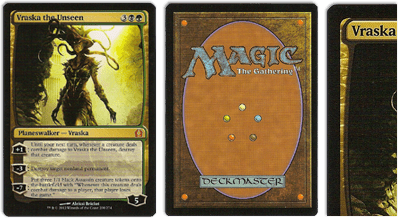
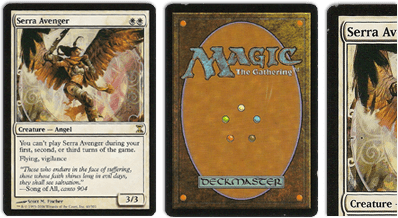
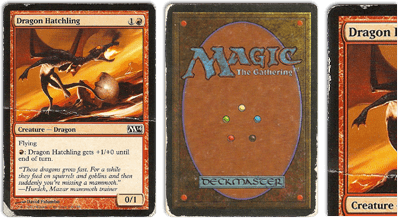
Magic: The Gathering
Training Actors' Voices: Towards an Intercultural/Interdisciplinary Approach - Paperback (ONLINE ORDER ONLY)


Training Actors' Voices: Towards an Intercultural/Interdisciplinary Approach - Paperback (ONLINE ORDER ONLY)
Regular Price $80.96Product Type : Books
Hurry! Only0units left in stock! This Item is Availible Online OnlyPrice & Availability will vary by locationItem LocationWarehouseAverage Processing Time24-72 HoursNo In store pickupOnline Order only
by Tara McAllister-Viel (Author)
Contemporary actor training in the US and UK has become increasingly multicultural and multilinguistic. Border-crossing, cross-cultural exchange in contemporary theatre practices, and the rise of the intercultural actor has meant that actor training today has been shaped by multiple modes of training and differing worldviews. How might mainstream Anglo-American voice training for actors address the needs of students who bring multiple worldviews into the training studio? When several vocal training traditions are learned simultaneously, how does this shift the way actors think, talk, and perform? How does this change the way actors understand what a voice is? What it can/should do? How it can/should do it?
Using adaptations of a traditional Korean vocal art, p'ansori, with adaptations of the "natural" or "free" voice approach, Tara McAllister-Viel offers an alternative approach to training actors' voices by (re)considering the materials of training: breath, sound, "presence," and text. This work contributes to ongoing discussions about the future of voice pedagogy in theatre, for those practitioners and scholars interested in performance studies, ethnomusicology, voice studies, and intercultural theories and practices.
Author Biography
Tara McAllister-Viel is Head of Voice and Speech at East 15 Acting School, UK.
Number of Pages: 218Dimensions: 0.48 x 9.21 x 6.14 INPublication Date: August 14, 2018All Sales are Final.
No Refunds or Exchanges.
- Tumblr
- YouTube
- Discord
-





 '
' '
' '
' '
' '
'